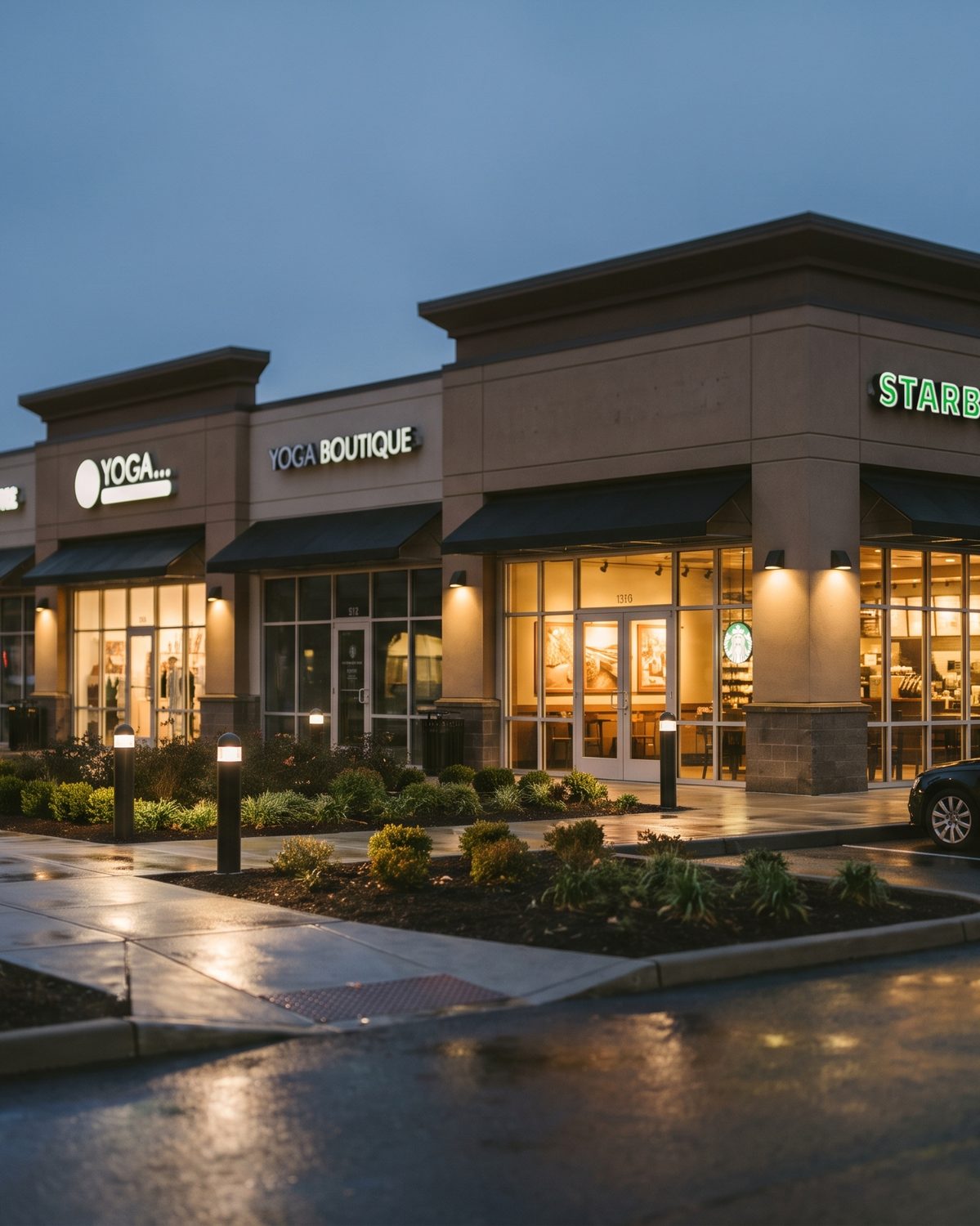




Shop 1031: buyer representation and institutional underwriting for the 1031 exchange
A thousand deals look the same.
One is yours.
Buyer Representation for the 1031 Exchange
- Lower brokerage fees
- Buyer credits at close
- No QI fees
- Loan quotes in hours
All through our network.
Some of the most important money you will ever move.
Every tool in this market was built for the seller. So we built one for you.
Forty-five days to identify, and every tool in the search is paid by the seller. The same demographics, lease term, and tenant credit they hold back, put to work on your side of the table.
Every deal, run at your numbers. Immediately.
-

 01
01Sort by what it pays you
The survey reorders on a cash sort, the best fit at the top, ranked on your equity.
-

 02
02The offering is yours, not theirs
Drag the offer and the financing and the dollar walk reprices live. The entrance tags flip to yours.
-
 03
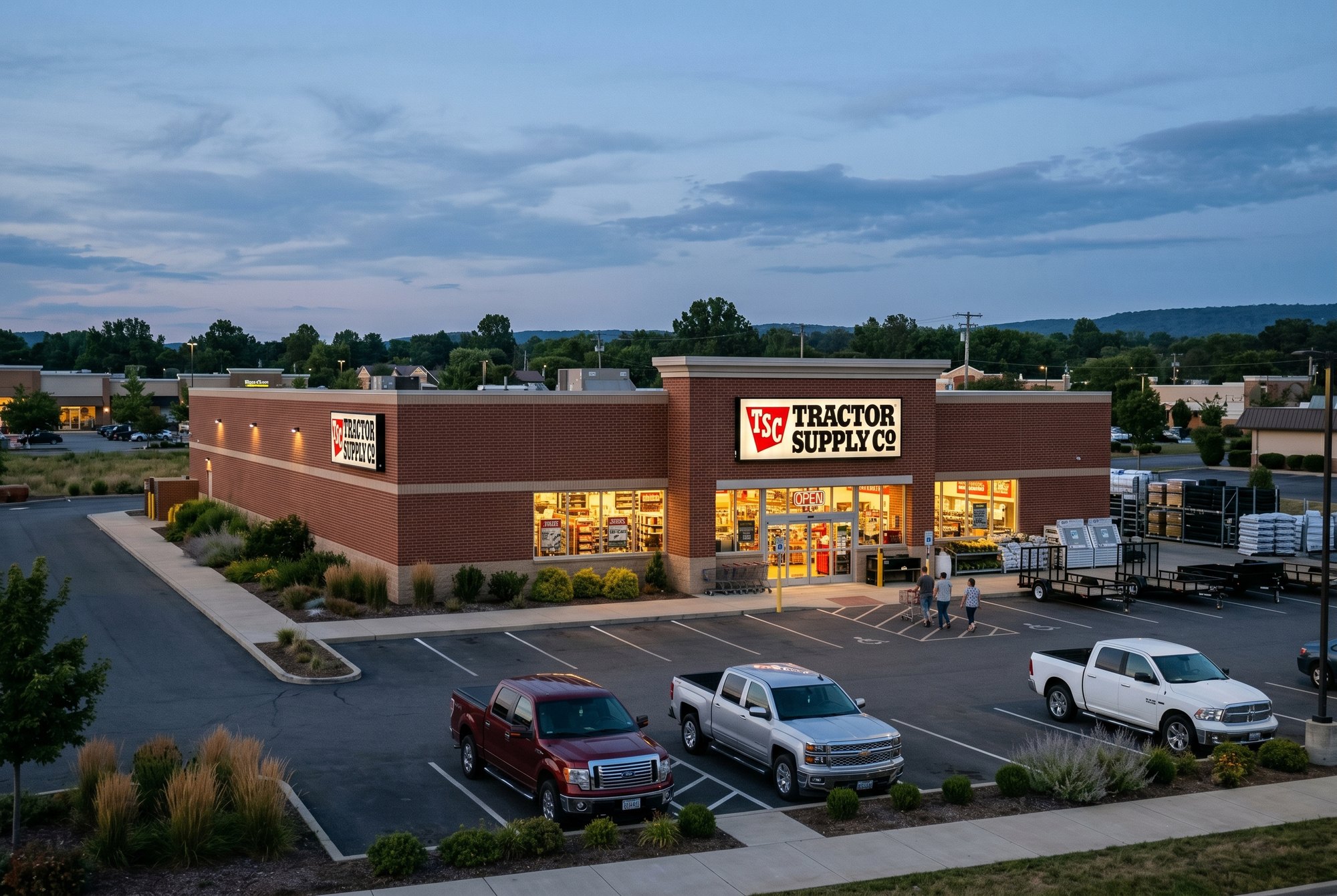
03Compare on your terms
A shortlist of two or three, each under its own assumptions, the best fit marked quietly.
-
 04
04The paperwork writes itself
Your offer wires into a real letter of intent, then carries through to the purchase agreement.
How much money. How safe. In plain dollars.
Move the purchase price. Your equity stays fixed, and the debt, the yield, and the cash flow reprice around it. And if the tenant walks, the cost of an empty box is priced, not hidden. How the safety read works.
Rent of $185,235 on your $3,495,000, a 5.30 percent going-in yield.
At this offer, you keep about $30,000 in your pocket the first year, and you walk away with about $1,937,000 when you sell.
A preview on the demo seed, computed by the same engine as the full underwriting, where every cell is traceable and three cases price the worst day in dollars. See the sample deal.
Five billion in deals taught us what the buyer needs to see.
For owners and their brokers
Selling, or advising a seller? Two items start it: the lease abstract and your pricing expectation. See the demand floor, live from our book.
Start your exchange.
Tell us where you are in your exchange. We come back with the deals that fit your numbers.